


Living with fibromyalgia can be exhausting and isolating. The continuous physical and emotional toll it takes on the body makes routine activities difficult to manage. Because symptoms flare up without warning, finding a treatment strategy that delivers consistent, long-term relief often seems near impossible.
While some patients worry that traditional chiropractic adjustments might be too forceful, modern chiropractic care uses gentle methods to relieve pain without the use of prescription medication.
In this article, we detail how targeted fibromyalgia chiropractic treatments can significantly improve your quality of life, offering you renewed hope and practical strategies for a healthier, more active life.
What Is Fibromyalgia? Symptoms and Diagnosis
Fibromyalgia is a complex neurological disorder often referred to as an “invisible illness” because its primary symptoms are not outwardly visible. While it is characterized by widespread musculoskeletal pain and generalized tenderness, individuals with this condition also frequently experience:
- Chronic fatigue and disrupted sleep
- Cognitive difficulties (often called “fibro fog”)
- Frequent headaches and migraines
- A heightened sensitivity to touch and temperature
The Centers for Disease Control and Prevention (CDC) estimates that approximately 4 million adults in the United States live with fibromyalgia, with the condition predominantly affecting women.
How Fibromyalgia is Diagnosed
Although there is no single blood test or imaging scan that can definitively diagnose fibromyalgia, healthcare providers reach a diagnosis through a process of elimination and specific clinical criteria, which generally include:
- Widespread Pain Duration: Consistent pain felt on both sides of the body, as well as above and below the waist, lasting for at least three months
- Symptom Severity: An evaluation of specific areas of the body that are unusually sensitive to pressure, alongside tracking baseline fatigue and cognitive clarity
- Ruling Out Other Conditions: Utilizing blood work, X-rays, or advanced imaging to rule out look-alike conditions with overlapping symptoms, such as rheumatoid arthritis, lupus, and thyroid disorders
A comprehensive diagnostic assessment typically involves a thorough review of your medical history, physical examinations, and specialized questionnaires to assess the extent to which your symptoms impact your daily functioning.
The Role of Chiropractic Assessment
Chiropractic evaluations focus on mapping out the mechanical and structural issues that commonly accompany fibromyalgia, including:
- Musculoskeletal Imbalances: Pinpointing poor postural habits and uneven weight distribution caused by chronic muscle guarding
- Joint and Mobility Restrictions: Evaluating stiff or locked joints in the spine and extremities that exacerbate daily discomfort
- Nerve Interference: Identifying areas where spinal misalignments may be irritating nerve pathways and worsening the body’s baseline pain sensitivity
Because many fibromyalgia patients also deal with localized secondary issues, such as chronic neck pain, low back pain, and tension headaches, a targeted chiropractic evaluation helps build a more effective, well-rounded management strategy.
What Causes Fibromyalgia: Theories and Triggers
While the exact cause of fibromyalgia remains a subject of ongoing clinical study, medical research suggests it is caused by a complex combination of genetic predispositions and environmental influences.
Current research focuses primarily on central nervous system dysfunction, specifically regarding how the brain and spinal cord process pain signals. In individuals with fibromyalgia, the nervous system amplifies sensory input, leading to a state of heightened pain perception.
Research also suggests that hormonal and chemical imbalances, such as elevated cortisol or low serotonin, can further increase symptom severity.
Common Onset Triggers
For many patients, fibromyalgia symptoms are suddenly provoked or severely worsened by a major physiological or psychological stressor.
These environmental triggers frequently include:
- Physical Trauma: Severe physical injuries, auto accidents, or undergoing major surgery
- Prolonged Illness: Suffering from severe bacterial or viral infections that put strain on the immune system
- Psychological Stress: Experiencing profound emotional trauma or prolonged, high-stress life changes
Natural Approaches to Fibromyalgia Management
Natural therapies focus on supporting the body’s self-regulatory systems, improving circulation, and calming an overstimulated nervous system without the side effects often associated with prescription medications.
Many patients find that integrating chiropractic care with other evidence-based natural modalities provides a more comprehensive, multi-layered approach to symptom relief:
|
Treatment |
Key Benefits |
|
Acupuncture |
This traditional technique involves inserting micro-fine needles into specific anatomical points to help stimulate the nervous system, reduce systemic inflammation, and alter pain signaling in the brain. |
|
Therapeutic Massage |
Targeted massage therapy focuses on releasing dense muscle knots, boosting lymphatic drainage, and lowering cortisol (stress hormone) levels to promote deep relaxation. |
|
Targeted Supplementation |
Addressing common nutritional deficiencies, such as low Vitamin D levels, can help support optimal bone health, improve muscle function, and stabilize mood. |
|
Biofeedback |
Teaches patients to consciously monitor and regulate physiological functions, such as heart rate and muscle tension, thereby directly enhancing personal pain management and self-awareness. |
Chiropractic Treatment Techniques for Fibromyalgia
Because fibromyalgia patients have highly sensitive nervous systems, chiropractors use tailored, low-force techniques to help restore spinal alignment, relieve nerve pressure, and calm overactive pain signaling.
A comprehensive fibromyalgia chiropractic treatment plan may incorporate several evidence-based methods, such as:
- Gentle Spinal Adjustments: Realigns vertebrae to reduce mechanical pressure on nerves, optimize nervous system communication, and lower systemic muscle strain.
- The NUCCA Technique (Upper Cervical Care): A specialized, light-touch adjustment of the upper neck. Correcting misalignments here helps restore proper brainstem signaling, reducing common secondary symptoms such as headaches, dizziness, and cognitive difficulties (“fibro fog”).
- Instrument-Assisted Adjustments (Activator and ArthroStim): Uses handheld mechanical tools to deliver fast, low-force impulses to specific joints, providing precise realignments faster than the body’s natural muscle guarding reflex can engage.
- Myofascial Release Therapy: Applies sustained, gentle pressure to tight connective tissues (fascia) to break up painful restrictions, improve elasticity, and reduce chronic stiffness.
- Soft Tissue Therapies (Ischemic Compression): Focuses on overactive muscular trigger points. Applying targeted pressure helps release localized muscle spasms, increase circulation, and ease daily movement.
- Spinal Decompression Therapy: Uses computer-regulated traction to gently stretch the spine, relieving compressed discs and nerves while improving nutrient delivery to irritated spinal tissues.
- Customized Therapeutic Exercises: Controlled stretches and low-impact resistance movements tailored to build strength, flexibility, and endurance gradually.
Research and Evidence: Does Chiropractic Help Fibromyalgia?
Clinical research increasingly supports the use of specialized chiropractic care as a safe, drug-free option for managing fibromyalgia. Because fibromyalgia is rooted in an overactive central nervous system, scientific studies have focused on how structural adjustments can help normalize the body’s pain processing.
Key findings from clinical research include:
Significant Pain Reduction
One landmark study published in the Journal of Manipulative and Physiological Therapeutics revealed that fibromyalgia patients receiving regular chiropractic spinal adjustments experienced a significant reduction in overall pain intensity.
Improved Systemic Symptoms
In addition to physical pain relief, participants also reported distinct improvements in their sleep quality, reduced fatigue, and better overall well-being.
Restored Mobility and Function
Research also indicates that fibromyalgia patients receiving chiropractic care exhibit measurable improvements in flexibility, joint mobility, and muscular endurance, making it easier to perform routine daily tasks and participate in low-impact physical activities without triggering a flare-up.
Lifestyle and Mental Health Strategies for Fibromyalgia Patients
Managing fibromyalgia effectively requires an integrative approach that combines clinical treatment with proactive lifestyle and mental health strategies. While gentle chiropractic care addresses structural and neurological imbalances, adopting targeted daily habits helps lower systemic inflammation, reduce stress, and improve long-term resilience.
Key self-care strategies to incorporate alongside clinical care include:
Paced, Low-Impact Exercise
Regular movement is vital for maintaining joint flexibility and muscular strength. Low-impact activities, such as walking, swimming, water aerobics, and gentle yoga, stimulate the production of endorphins, the body’s natural pain-relieving chemicals.
Tip: Start slowly and increase activity levels incrementally to avoid flare-ups.
Anti-Inflammatory Nutrition
Dietary choices directly influence systemic inflammation and baseline energy levels. Prioritizing nutrient-dense, anti-inflammatory foods, such as leafy greens, berries, whole grains, and fatty fish rich in omega-3 fatty acids, helps manage tissue sensitivity.
Tip: Minimize processed foods, refined sugars, caffeine, and alcohol to stabilize blood sugar and protect daily energy reserves.
Optimizing Sleep Hygiene
Chronic sleep disturbances naturally amplify pain perception and fatigue. Establishing a consistent sleep schedule, minimizing screen time before bed, and creating a quiet, comfortable sleep environment support the deep stages of sleep necessary for cellular repair.
Tip: Gentle chiropractic adjustments often complement these habits by relieving the structural discomfort that disrupts restful sleep.
Stress Management Protocols
Psychological stress acts as a direct catalyst for central sensitization flare-ups. Implementing stress-reduction techniques, such as mindfulness meditation, deep breathing exercises, and progressive muscle relaxation, helps calm an overactive sympathetic nervous system.
Tip: Professional cognitive-behavioral therapy (CBT) provides practical coping strategies to reframe the emotional toll of navigating chronic pain.
Community and Emotional Support
Finding effective solutions for chronic pain management can often seem hopeless, leading to overwhelming feelings of isolation.
Tip: Engaging with fibromyalgia support groups or community networks provides emotional validation, shared coping strategies, and a critical sense of mutual understanding.
What to Expect During Your Patient Journey
Starting a new treatment program can feel overwhelming when you are navigating chronic fatigue and pain. To help ease this transition, we maintain a highly transparent, structured, and predictable onboarding process.
Your chiropractic treatment typically involves:
- Initial consultation and detailed assessment
- Creation of a customized treatment plan
- Application of fibromyalgia chiropractic treatment techniques
- Ongoing monitoring and adjustments as needed
While every nervous system heals at its own pace, the majority of our patients report noticeable, sustainable improvements in their mobility, sleep quality, and daily pain levels within six to eight consistent sessions.
Because these specialized protocols use highly-controlled techniques, potential risks are minimal, making chiropractic care one of the safest non-invasive options available for managing fibromyalgia. One local Franklin-area patient reported a 40% reduction in overall pain after completing just eight sessions at our clinic.
Cost, Insurance, and Accessibility
We offer a variety of financial pathways to ensure you receive the care you need without unmanageable expenses:
- Major Insurance Networks: Chiropractic treatments are widely recognized and covered by many major health insurance providers. Our clinic coordinates directly with major plans, including Blue Cross Blue Shield, UnitedHealthcare, Aetna, and several others.
- Complimentary Benefit Verification: Our administrative team handles the paperwork, verifying your insurance benefits before your treatment begins. We provide a clear breakdown, so you understand your specific coverage limits, co-pays, or deductibles upfront.
- Affordable Self-Pay Rates: For patients who manage their healthcare independently or use out-of-network benefits, we offer transparent, affordable self-pay pricing.
- Structured Care Packages: We offer flexible, pre-paid multi-visit plans designed to lower the per-visit cost for patients requiring sustained, long-term stabilization care.
Whether you are seeking an alternative to pharmaceuticals or combining therapies for a multidisciplinary recovery plan, non-invasive chiropractic care remains a highly cost-conscious solution.
Next Steps Toward a Healthier, Pain-Free Life
At Crist Chiropractic, we move beyond temporary symptom suppression to address the root structural misalignments driving your discomfort.
Our clinical team takes a personalized, holistic approach to your recovery, combining low-force adjustments with soft tissue therapies, customized exercises, and practical lifestyle modifications.
If you are looking for a non-invasive alternative to prescription medications, gentle chiropractic protocols can provide the clinical breakthrough you need to regain control.
Contact Crist Chiropractic today to schedule your personalized consultation and take your first step toward lasting, drug-free relief.
Frequently Asked Questions
Can a chiropractor help with fibromyalgia pain?
Yes. Specialized chiropractic techniques effectively reduce chronic widespread pain and improve daily joint mobility by correcting spinal misalignments, lowering chronic muscle guarding, and reducing mechanical irritation along overactive nerve pathways.
What chiropractic techniques work best for fibromyalgia?
Low-force, gentle modalities yield the best clinical results for sensitive nervous systems. These include upper cervical care (the NUCCA technique), instrument-assisted adjustments (Activator or ArthroStim), myofascial release therapy, and controlled spinal decompression.
Is chiropractic treatment safe for fibromyalgia patients?
Yes. When performed by a qualified chiropractor for fibromyalgia, using low-force protocols, it is one of the safest, non-invasive, and drug-free management options available, carrying exceptionally minimal risk of triggering a pain flare-up.
How long does chiropractic treatment of fibromyalgia take?
While every individual’s central nervous system adapts at its own rate, the majority of fibromyalgia patients report noticeable, measurable improvements in their baseline pain levels, sleep quality, and energy within 6 to 8 consistent treatment sessions.
Dr. Jason Crist founded Crist Chiropractic in Franklin, Tennessee, with a vision to provide health and healing naturally. His personal journey of avoiding surgery ignited his passion for non-invasive care, earning him "Chiropractor of the Year" for his holistic approach.

Recommended for You

ARE YOU A CANDIDATE FOR SPINAL DECOMPRESSION?
Continuous back pain can make the simplest of tasks – or even just trying to live your regular day-to-day life – completely unbearable. So naturally, when you start suffering from back pain, your first thought will be to go to a chiropractor to see what they suggest. In many cases, they may recommend spinal decompression…
Read More
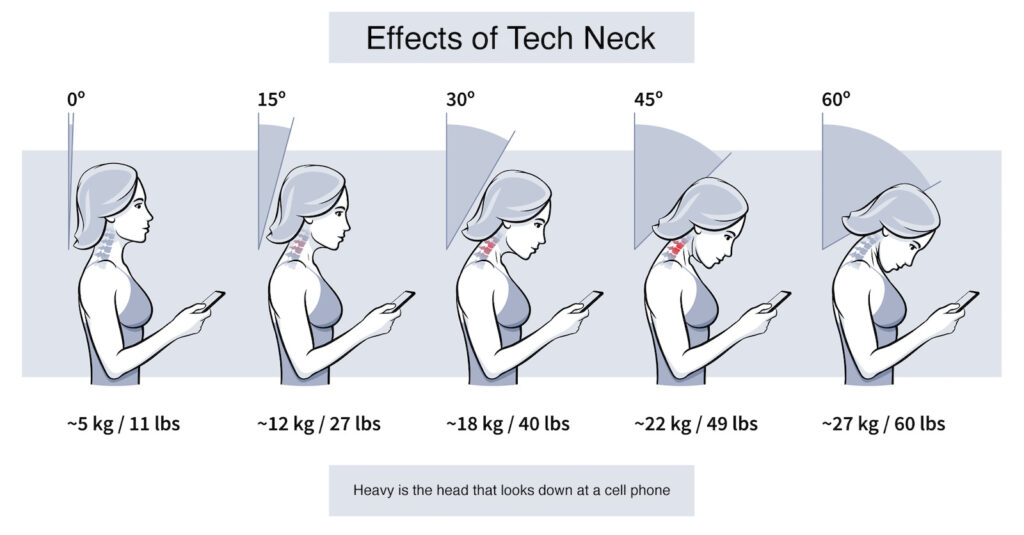
Tech Neck: The Modern Malady and How Chiropractic Care Can Help
Prevent and relieve tech neck with better posture, ergonomic habits, targeted exercises, and chiropractic care for lasting neck health.
Read More
The Cost-Effectiveness of Chiropractic Care vs. Medical Treatment
Chiropractic care offers a non-invasive option for managing neck, back, and muscle pain while supporting mobility and daily comfort.
Read More