


| Yes, chiropractors effectively treat muscle pain by restoring proper joint motion and nerve function with spinal adjustments, releasing tight muscles and trigger points through advanced soft tissue therapy, and correcting muscle imbalances with targeted exercises. Research and clinical outcomes show 70-80% of patients experience significant relief within 4-6weeks of comprehensive care. |
Muscle pain has become an everyday complaint for desk workers, athletes, and active adults. Neck tension, aching shoulders, tight hips, and lower back pain affect how you work, exercise, and sleep.
Many people accept muscle pain as normal or rely on pain relievers that only mask symptoms.
A common misconception is that muscle pain is just a muscle issue. In reality, muscles often become painful because they are compensating for restricted joints, irritated nerves, or poor posture.
Muscle pain rarely exists in isolation. Joint stiffness, spinal misalignment, and nervous system stress frequently drive muscle tension and trigger points.
With 25+ years treating muscle pain in Franklin, Cool Springs, and Brentwood, I have helped thousands of patients restore pain-free movement by addressing root causes, not just symptoms.
| Dr. Crist’s Expert Insight: “Most people think muscle pain is just a muscle problem. But tight, painful muscles are usually compensating for something else, like restricted joints, nerve irritation, or postural issues. When we address the spine and nervous system alongside the muscles, patients get lasting relief instead of temporary fixes.” |
What to Expect: Your Muscle Pain Treatment Timeline
Before diving into causes and treatments, here’s what you can realistically expect from chiropractic care for muscle pain:
| Timeframe | Expected Improvement | What’s Happening |
| Week 1-2 | 30-40% relief | Inflammation reducing, joint motion improving, acute muscle guarding releasing |
| Week 4-6 | 60-70% improvement | Movement patterns correcting, trigger points resolving, muscle balance improving |
| Week 8-10 | 80-90% improvement | Full function returning, maintenance phase beginning |
*These timelines represent typical outcomes for patients at Crist Chiropractic who follow their complete treatment plan, including home exercises and posture corrections.
What Causes Muscle Pain?
Muscle pain develops for many reasons, and identifying the true source is essential for effective, long-lasting treatment.
While pain is often felt in the muscle itself, the underlying cause is frequently related to how the spine, joints, and nervous system are functioning.
When muscles are forced to compensate for poor mechanics or nerve irritation, pain and tightness follow.
Below are the most common contributors to muscle pain and why they matter.
Mechanical and Postural Causes
Poor mechanics are one of the leading causes of ongoing muscle pain.
- Forward head posture and rounded shoulders (also called Turtle Neck Syndrome) place constant strain on the neck, upper back, and shoulder muscles, forcing them to work overtime just to hold the head upright.
- Repetitive strain from work or sports leads to overuse of the same muscle groups without adequate recovery.
- Joint restrictions in the spine or extremities reduce normal motion, causing surrounding muscles to tighten and compensate for lost stability.
- Muscle imbalances develop when certain muscles become weak and inhibited while others become tight and overactive.
- Poor lifting or movement mechanics increase stress on muscles that are not designed to handle excessive load, leading to strain and spasm.
Over time, these issues create chronic tension, trigger points, and recurring pain.
Nerve-Related Causes
The nervous system plays a critical role in muscle health and function.
- Spinal nerve compression alters how muscles receive signals, often resulting in tightness, weakness, or fatigue.
- Trigger points form when nerves repeatedly irritate muscle tissue, causing localized pain that may refer to other areas.
- Nerve irritation can create protective muscle spasm as the body attempts to stabilize an irritated joint or segment.
- Poor nerve communication reduces coordination and endurance, making muscles more prone to injury and chronic tension.
When nerves are involved, muscle pain often persists despite stretching or massage alone.
Injury and Overuse
Trauma and excessive demand commonly lead to muscle pain.
- Muscle strains and micro tears occur when muscles are overloaded or stretched beyond their capacity.
- Sports injuries and overtraining prevent proper recovery, allowing inflammation and scar tissue to accumulate.
- Car accidents and whiplash injuries cause sudden muscle guarding that can become chronic if not treated early.
- Sudden increases in activity overwhelm unconditioned muscles, leading to soreness, stiffness, and compensatory patterns.
Without proper treatment, acute injuries often evolve into chronic muscle pain.
Other Contributing Factors that Cause Muscle Pain
Several lifestyle and systemic factors can worsen or prolong issues.
- Chronic stress and emotional tension increase nervous system activation, causing muscles to remain in a constant state of contraction.
- Dehydration reduces muscle elasticity and increases the risk of cramping and fatigue.
- Poor sleep quality limits tissue repair and increases pain sensitivity.
- Nutritional deficiencies impair muscle recovery and energy production.
- Ongoing inflammation slows healing and increases muscle sensitivity.
These contributors often compound mechanical issues, making pain more persistent.
Types of Muscle Pain Chiropractors Treat
Chiropractors treat a wide range of muscle pain conditions by identifying why the muscle is painful, not just where it hurts.
Whether pain is sudden, long-standing, or referred from another area, treatment focuses on restoring proper joint motion, nerve function, and muscle balance.
| Pain Type | Common Examples | Typical Duration |
| Acute Muscle Pain | Lifting-related strains, sports injuries, post-accident trauma, sudden muscle spasms | Under 6 weeks |
| Chronic Muscle Pain | Persistent neck/shoulder tension, chronic low back tightness, long-standing trigger points, desk-related postural pain | 6 weeks or longer |
| Referred Muscle Pain | Trigger points referring to head/shoulder/arm/hip/leg, nerve-related muscle pain, compensatory patterns | Variable |
Referred Muscle Pain
Not all muscle pain originates where it is felt. Referred pain can be confusing and is often misdiagnosed.
- Trigger points that refer pain into the head, shoulder, arm, hip, or leg
- Nerve-related muscle pain caused by spinal nerve irritation or compression
- Spinal dysfunction forcing muscles in distant areas to compensate
Chiropractic evaluation helps trace the pain back to its true source.
Common Muscle Pain Locations We Treat
Certain areas are especially prone to muscle pain due to posture and daily stress. Each location requires a tailored treatment approach based on biomechanics and activity demands.
- Neck and upper trapezius: the most common site of chronic tension
- Shoulders and rotator cuff region: often affected by desk work or overhead activity
- Lower back and gluteal muscles: particularly with lifting or prolonged sitting
- Hip flexors and hamstrings: commonly tight in sedentary individuals and athletes
- Calf muscles: affected by overuse, poor footwear, or altered gait
When Muscle Pain Signals a Deeper Problem
While most muscle pain is mechanical and responds well to chiropractic care, certain symptoms require medical evaluation.
- Fever or signs of infection
- Progressive or unexplained muscle weakness
- Unexplained weight loss
- Severe pain that does not improve with rest or position changes
- Muscle wasting or loss of muscle mass
- New or worsening symptoms following a medication change
These signs may indicate a systemic or neurological condition that requires further medical testing before conservative care begins.
Can a Chiropractor Help with Muscle Pain? The Three-Component Approach
Yes. Chiropractic care is highly effective for muscle pain because it addresses both symptoms and underlying causes.
Component 1: Spinal Adjustments
Muscle pain often results from joint restrictions that force muscles to overwork.
Adjustments restore:
- Normal joint motion
- Reduced muscle compensation
- Improved nerve communication
- Decreased inflammation
- Natural muscle relaxation
Targeted areas include:
- Cervical spine for neck and shoulder pain
- Thoracic spine for upper back tension
- Lumbar spine for low back and hip pain
- Sacroiliac joints for gluteal issues
Many patients notice immediate reduction in muscle tightness after adjustments.
Component 2: Advanced Soft Tissue Therapy
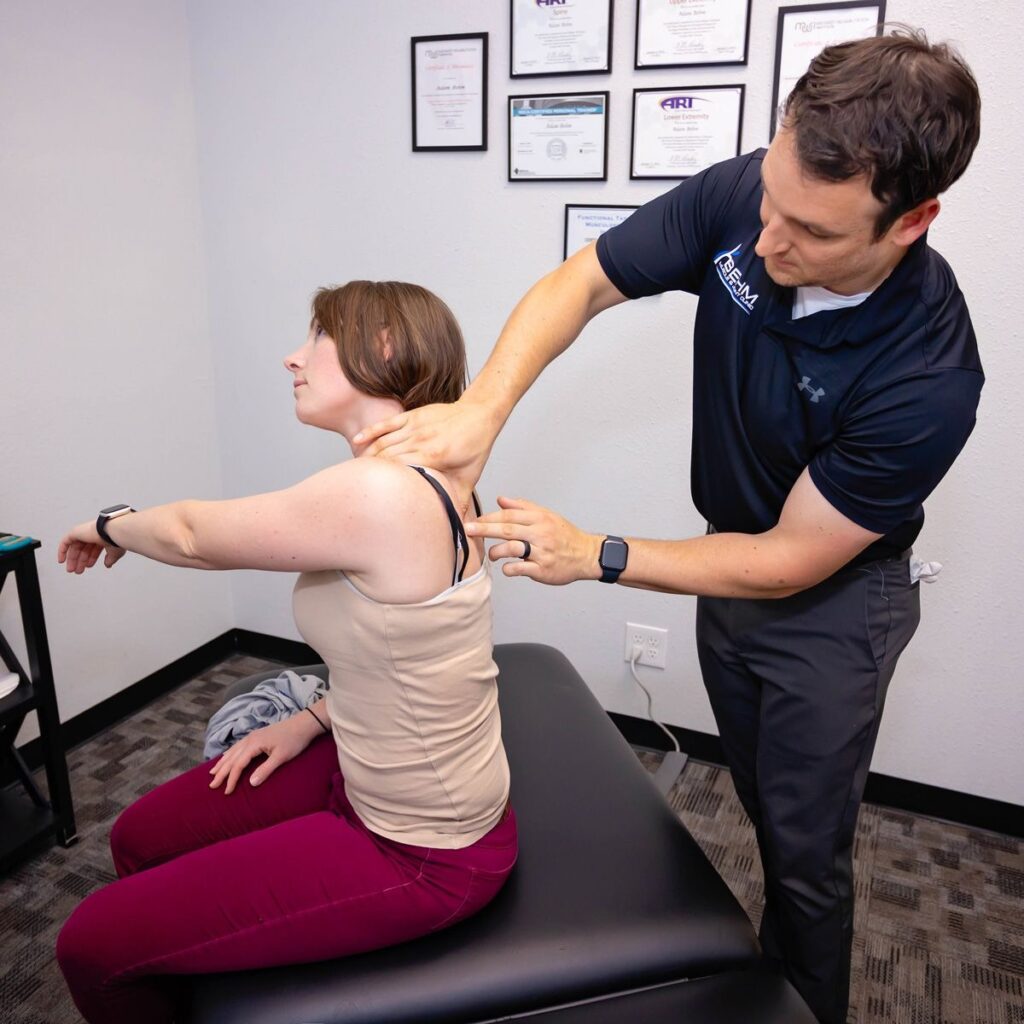
Soft tissue therapy restores normal muscle function and breaks up adhesions.
Active Release Technique
- Targets tight muscles while moving
- Breaks down scar tissue
- Releases trapped nerves
Myofascial Release
- Sustained pressure on restricted fascia
- Improves circulation and flexibility
Trigger Point Therapy
- Deactivates painful trigger points
- Reduces referred pain patterns
Instrument Assisted Therapy
- Addresses chronic scar tissue
- Improves tissue quality
Cupping Therapy
- Uses negative pressure
- Improves blood flow
- Reduces inflammation
Component 3: Corrective Exercises
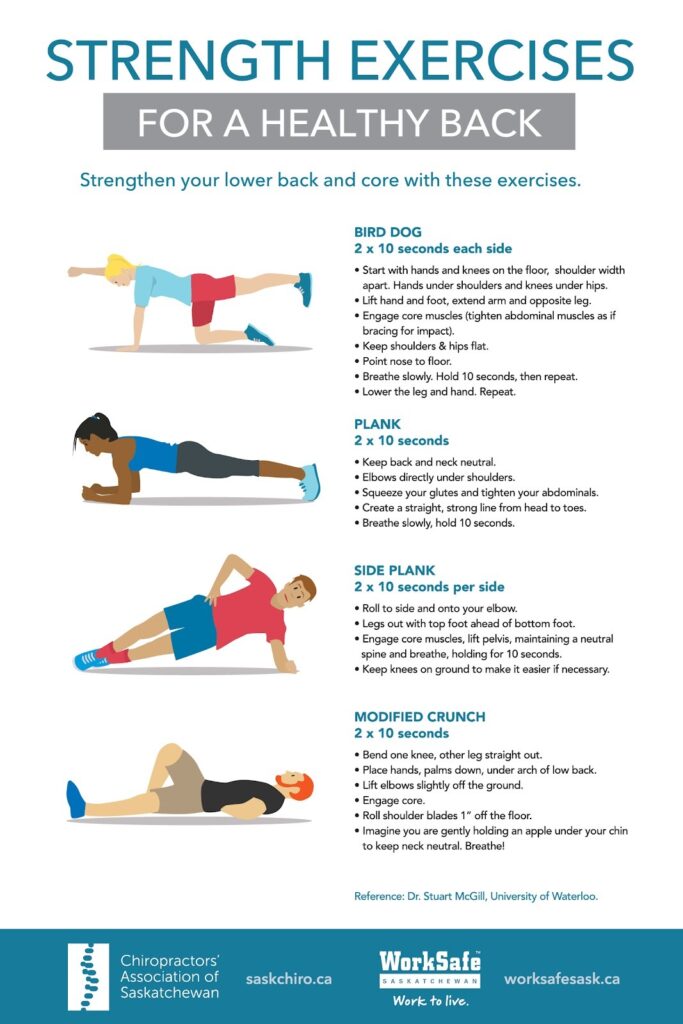
Exercises prevent recurrence by correcting imbalances.
- Strengthening weak stabilizing muscles
- Stretching tight overactive muscles
- Improving posture and movement patterns
- Supporting long-term recovery
“The biggest mistake people make with muscle pain is only treating the muscle. If your neck muscles are constantly tight, it is usually because your spine is not moving properly or your posture is forcing those muscles to overwork.” – Dr. Jason Crist
Tired of chronic muscle pain and tension? Schedule a comprehensive evaluation to identify the root cause and get a personalized plan.
📞 (615) 771-0022
🌐 Book Online
Muscle Pain Treatment Timeline and What to Expect
Your first visit includes a full history, postural assessment, muscle and joint testing, and a clear treatment plan with realistic timelines.
Most patients experience:
- 30-0% relief in the first two weeks
- 60-70% improvement by week six
- 80-90% improvement within ten weeks
Maintenance care significantly reduces recurrence rates.
Chiropractic vs Other Muscle Pain Treatments

Chiropractic vs. Other Muscle Pain Treatments
| Treatment Approach | Success Rate | Timeline | Addresses Root Cause | Recurrence Rate |
| Chiropractic Care | 70-80%* | 4-6 weeks | Yes: joints, nerves, muscles | 10-20%** |
| Massage Therapy | Moderate | Temporary | No: muscles only | 40-50% |
| Physical Therapy | Moderate | 8-12 weeks | Partial: exercise focus | 25-35% |
| Pain Medication | Variable | Ongoing | No: symptom masking | 100% |
| Stretching Alone | Low | Variable | No | 50-60% |
*Based on clinical outcomes at Crist Chiropractic for patients completing recommended treatment plans.
**With proper follow-through, including maintenance care and home exercises
Real Patient Outcomes
Chronic Neck and Shoulder Pain
A 42-year-old graphic designer in Franklin improved over 85% in ten weeks by addressing cervical restrictions, trigger points, and posture.
Acute Low Back Muscle Strain
A 35-year-old weekend athlete in Brentwood returned to work and sports within four weeks after joint correction and muscle rehabilitation.
“Muscle pain responds beautifully to chiropractic care because we address why it is tight in the first place.” – Dr. Jason Crist
Preventing Muscle Pain Recurrence
- Maintain neutral posture
- Take movement breaks every 30-45 minutes
- Strengthen core muscles three times weekly
- Stretch daily
- Stay hydrated
- Manage stress
- Maintain periodic chiropractic care
- Maintain post-adjustment care
Maintenance reduces recurrence from 40-50% down to 10-20%.
Expert Muscle Pain Care in Franklin, TN
At Crist Chiropractic, Dr. Crist combines precise spinal adjustments, Active Release Technique, and personalized rehabilitation to treat muscle pain at its source.
Serving Franklin, Cool Springs, and Brentwood since 1999.
Tennessee Chiropractor of the Year.
500+ five-star reviews.
Natural, Effective Relief for Muscle Pain
Muscle pain does not have to be something you live with or mask using medication. Chiropractic care provides a proven, drug-free approach that restores normal movement and long-term relief.
Key takeaways:
- Chiropractic helps 70-80%of muscle pain cases
- Combines adjustments, soft tissue work, and exercise
- Most improvement occurs within 4-6 weeks
- Addresses causes, not just symptoms
Early care leads to better outcomes. Chronic muscle pain becomes harder to reverse when compensation patterns develop.
Don’t wait. Book your consultation today.
Frequently Asked Questions About Chiropractic Care for Muscle Pain
Can a chiropractor help with muscle pain?
Yes. Chiropractors treat muscle pain by correcting joint restrictions and nerve irritation that force muscles to overwork.
Care typically combines spinal adjustments, soft tissue therapy, and corrective exercises to reduce tension, deactivate trigger points, and restore normal muscle function for longer-lasting relief.
Does chiropractic help muscle pain better than massage?
In most cases, yes. Massage therapy relaxes muscles temporarily, while chiropractic care addresses why muscles are tight in the first place.
By correcting spinal motion, nerve input, and posture, chiropractic care reduces recurrence and provides more durable improvement than massage alone.
Can a chiropractor help with chronic muscle pain?
Yes. Chronic muscle pain often responds very well when long-standing joint restrictions, trigger points, and postural patterns are corrected together.
While chronic cases may require more visits, many patients still achieve 60-80% improvement with consistent, comprehensive chiropractic care.
What types of muscle pain can chiropractors treat?
Chiropractors commonly treat:
- Neck and shoulder tension
- Low back muscle pain
- Hip and glute pain
- Sports-related muscle injuries
- Postural muscle pain
- Trigger point pain
- Work-related repetitive strain injuries, especially when spinal or movement dysfunction is contributing.
How long does chiropractic treatment take for muscle pain?
Most patients notice improvement within 2-4 weeks, with significant relief by 4-6 weeks.
Full correction of muscle imbalances and posture often takes 8-12 weeks, depending on severity, duration, and consistency with home exercises and lifestyle changes.
What happens during a chiropractic visit for muscle pain?
Visits typically include:
- Spinal and joint assessment
- Muscle and trigger point evaluation
- Soft tissue therapy
- Targeted adjustments when needed
- Corrective exercise instruction
The goal is to reduce pain while correcting the underlying cause, not just the symptoms.
Is chiropractic treatment painful for muscle pain?
Chiropractic treatment is generally comfortable. Some patients experience mild soreness similar to post exercise soreness as tight muscles adapt and circulation improves.
This typically resolves within 24-48 hours and is often a sign that tissues are healing and relaxing.
Should I see a chiropractor or massage therapist for muscle pain?
Massage is helpful for short-term relaxation. A chiropractor is often the better choice when muscle pain keeps returning, limits movement, or is linked to posture or spinal stiffness.
Chiropractic care addresses both muscle tension and the mechanical cause behind it.
Is chiropractic better than physical therapy for muscle pain?
Chiropractic and physical therapy can both help. Chiropractic care often works faster for muscle pain driven by joint restriction or nerve irritation, while physical therapy focuses more on strengthening.
Many patients benefit most from chiropractic first, then exercise-based rehab as pain improves.
Can chiropractic help with muscle pain without adjustments?
Sometimes. Soft tissue therapy, corrective exercises, and posture training alone can help certain cases.
However, when joint stiffness or spinal restriction is present, adjustments significantly improve outcomes by allowing muscles to relax and function normally instead of compensating.
Will muscle pain come back after chiropractic treatment?
Recurrence is much less likely when treatment includes posture correction and exercises. Without maintenance, recurrence rates can reach 40-50%.
With proper follow-through and periodic care, recurrence drops to 10-20%, especially for postural and work-related muscle pain.
Can a chiropractor help with muscle pain from stress?
Yes. Stress increases nervous system tension, which leads to muscle tightness and trigger points.
Chiropractic care helps calm the nervous system, improve spinal motion, and reduce stress-driven muscle guarding.
Many patients notice both physical and mental tension relief with care.
Don’t let muscle pain limit your life. Get expert chiropractic care that addresses the cause, not just the symptoms.
📞 (615) 771-0022
🌐 Book Online
Crist Chiropractic | Franklin, Cool Springs & Brentwood, TN
Tennessee Chiropractor of the Year | 25+ Years Treating Muscle Pain
⭐ 500+ five-star reviews
Dr. Jason Crist founded Crist Chiropractic in Franklin, Tennessee, with a vision to provide health and healing naturally. His personal journey of avoiding surgery ignited his passion for non-invasive care, earning him "Chiropractor of the Year" for his holistic approach.


Recommended for You

Neighbors Name Crist Chiropractic a Nextdoor Neighborhood Favorite for the Third Time
We’re happy to share some good news from our neighbors. Crist Chiropractic has been named a Nextdoor Neighborhood Favorite for 2025. This follows earlier wins in 2024 and 2022. The recognition comes from people who live in Franklin, Cool Springs, Brentwood, and the surrounding Williamson County communities — the same neighbors who recommend us to…
Read More
ARE YOU A CANDIDATE FOR SPINAL DECOMPRESSION?
Continuous back pain can make the simplest of tasks – or even just trying to live your regular day-to-day life – completely unbearable. So naturally, when you start suffering from back pain, your first thought will be to go to a chiropractor to see what they suggest. In many cases, they may recommend spinal decompression…
Read More
Effective Fibromyalgia Chiropractic Treatment Techniques for Lasting Relief
Discover how targeted chiropractic care may relieve fibromyalgia symptoms, reduce pain, and improve daily function and quality of life.
Read More