


| Yes. Chiropractors effectively treat muscle spasms by correcting spinal and joint restrictions that trigger protective muscle contractions, restoring normal nerve signaling, and calming involuntary muscle firing. Most patients experience 50-70% relief within the first week, with spasms often resolving completely in 2-4 weeks. |
Muscle spasms can strike without warning and stop you in your tracks. One moment you’re bending, lifting, or turning. The next, a muscle locks down so hard that movement feels impossible.
Many people are told to rest, take muscle relaxants, or wait it out. While those approaches may dull pain temporarily, they often fail to address why the spasm started in the first place.
| Dr. Crist’s Expert Insight “When someone comes in with a muscle spasm, they are often in crisis. They cannot move, cannot sleep, and cannot function. The good news is that spasms respond incredibly well to chiropractic care because they are almost always caused by joint restrictions. Release the joint, and the muscle finally stops guarding. Relief can be immediate.” |
Understanding Muscle Spasms: What Makes Them Different
Muscle Spasm vs Muscle Pain: Key Differences
Not all muscle problems are the same. Understanding the difference helps you get the right treatment faster.
| Characteristic | Muscle Spasm | General Muscle Pain |
| Onset | Sudden, involuntary contraction | Gradual onset with achy quality |
| Pain Level | Severe (8-10 out of 10) | Moderate (3-7 out of 10) |
| Muscle Feel | Rock-hard, locked, visible hardening | Tight but not locked |
| Movement | Little to no ability to move area | Uncomfortable but possible |
| Duration | Seconds to hours of active spasm | Develops over time |
| Trigger | Often sudden during movement | Progressive with overuse |
Why this difference matters:
Muscle spasms require stopping the protective mechanism causing involuntary contraction.
Simply rubbing the muscle or masking pain does not address the joint restriction or nerve irritation triggering the spasm.
What Causes Muscle Spasms?
Muscle spasms don’t occur randomly. They are a protective response triggered by the nervous system when the body senses instability, irritation, or potential injury. The Spasm Cycle: How It Starts
| Step | What Happens | Impact |
| 1. Joint Restriction | A joint loses normal range of motion | Brain detects instability |
| 2. Protective Signal | Brain interprets area as unstable | Nervous system activates |
| 3. Muscle Contraction | Automatic tightening to protect joint | Involuntary process begins |
| 4. Spasm Locks In | Muscle contracts uncontrollably | Movement becomes impossible |
| 5. Pain & Dysfunction | Severe pain, stiffness, lost function | Daily life disrupted |
The key insight: Until normal joint motion is restored, your brain continues sending contraction signals, keeping the muscle locked down.
Primary Cause: Joint Restrictions (about 85% of cases)
In Dr. Crist’s clinical experience treating muscle spasms for over 25+ years, the most common cause of muscle spasms is restricted joint movement in the spine or extremities.
When a joint loses its normal range of motion, the surrounding muscles tighten automatically to stabilize and protect that area.
This protective contraction can escalate into a painful, involuntary spasm.
Common joint-related causes include:
- Facet joint restrictions in the spine that limit normal bending and twisting
- Disc bulges or herniations that alter joint mechanics and irritate nearby nerves
- SI joint dysfunction that creates instability in the pelvis and lower back
- Vertebral subluxations where spinal joints are misaligned or moving poorly
- Rib misalignments that affect breathing mechanics and mid-back stability
Secondary Causes of Muscle Spasms
While joint restrictions account for most cases, several secondary factors can contribute to or intensify muscle spasms.
Nerve irritation
- Pinched or compressed nerves can disrupt normal nerve signaling
- Nerve root irritation may cause muscles to misfire or contract uncontrollably
- Conditions such as sciatica can trigger protective spasms in the back, hips, or legs
Acute injuries
- Sudden twisting, bending, or lifting with poor mechanics
- Sports injuries involving rapid or forceful movements
- Muscle strains that create joint instability and reflexive muscle guarding
Car accidents and trauma
- Whiplash injuries commonly cause severe neck and upper back spasms
- Even low-speed collisions can create joint restrictions that trigger spasms hours or days later
Overuse, fatigue, and metabolic factors
- Muscle exhaustion from prolonged activity or repetitive movements
- Dehydration reduces muscle elasticity and nerve function
- Electrolyte imbalances affect muscle contraction and relaxation cycles
Less common medical causes
- Neurological conditions that affect muscle control
- Medication side effects, particularly from stimulants or certain cholesterol medications
- Severe systemic conditions that alter nerve or muscle function
Common Locations for Muscle Spasms
- Lower back: The most common location, often tied to bending or lifting
- Neck: Acute torticollis or “stuck neck” episodes
- Mid back: Rib or thoracic joint involvement
- Legs: Calf, hamstring, or hip flexor spasms, often linked to lumbar issues
When Muscle Spasms Require Emergency Care
Seek immediate medical attention if spasms are accompanied by:
- Chest pain or difficulty breathing
- Severe abdominal rigidity
- Loss of bowel or bladder control
- Progressive weakness or numbness
- Fever or signs of infection
- Spasms after head or neck trauma
- Seizure-like activity
Can a Chiropractor Help with Muscle Spasms? The Root Cause Approach
Yes. Chiropractic care is one of the most effective treatments for muscle spasms because it addresses the mechanical trigger causing involuntary muscle contraction rather than simply calming the muscle temporarily.
Muscle spasms are rarely a muscle problem alone.
They are almost always a protective response driven by joint restriction or nerve irritation. Chiropractic care is designed specifically to correct those underlying issues.
Why Does Chiropractic Help Muscle Spasms So Effectively?
The fundamental difference: Medication, rest, heat, and massage typically focus on relaxing the muscle or dulling pain signals.
While this may provide short-term comfort, the brain continues to perceive instability as long as the joint remains restricted.
Chiropractic care corrects the joint restriction. When normal joint motion is restored, the brain no longer senses danger.
The protective signal shuts off, and the muscle is finally allowed to relax. This is why muscle spasms often respond faster and more dramatically to chiropractic care than general muscle soreness or strain.
The Four-Step Chiropractic Approach to Muscle Spasms
Step 1: Identify the Restricted Joint
Effective spasm relief starts with an accurate diagnosis. A detailed examination is performed to identify the exact joint restriction responsible for triggering the protective muscle response.
Evaluations include:
- Palpation to detect joint fixation or loss of motion
- Range of motion testing to identify movement limitations
- Orthopedic testing to stress specific joints
- Neurological assessment to check nerve involvement
Precision matters. Treating the wrong area may temporarily soothe symptoms but will not stop the spasm.
Step 2: Gentle Joint Mobilization and Adjustment
Once the restricted joint is identified, chiropractic care focuses on restoring normal movement. For acute muscle spasms, techniques are modified to avoid aggravating the condition.
Approaches include:
- Low force mobilization techniques
- Gentle adjustments using controlled pressure
- Instrument-assisted or drop table methods when appropriate
- Gradual progression as the muscle begins to release
Many patients notice immediate changes. It’s common for the muscle to soften or release during or shortly after the adjustment because the protective neurological signal has been shut off.
Step 3: Release Residual Muscle Tension
After the joint restriction is corrected, the muscle may still hold residual tension from being locked in contraction. This phase focuses on helping the muscle return to a normal resting state.
Supportive therapies include:
- Gentle myofascial release
- Light trigger point work if tolerated
- Controlled stretching once movement improves
- Ice therapy to reduce inflammation and calm nerve signals
The goal is not aggressive muscle work but restoring normal muscle tone, circulation, and flexibility so the area can heal properly.
Step 4: Prevent Recurrence
Stopping the current spasm is only part of the solution.
Prevention strategies include:
- Corrective exercises to strengthen stabilizing muscles
- Core and postural training to improve joint support
- Ergonomic recommendations for work and daily activities
- Hydration and nutritional guidance to support muscle function
- Maintenance chiropractic care to keep joints moving properly
“With spasms, when you correct the right joint restriction, patients often feel immediate relief. Sometimes the muscle releases right there on the table. It is dramatic because we are shutting off the protective mechanism.” – Dr. Jason Crist
Suffering from severe muscle spasms? Call for expert advice; you don’t have to be in pain.
📞 (615) 771-0022
🌐 Book Online
How Fast Do Muscle Spasms Respond to Chiropractic Care?
Muscle spasms typically respond faster than general muscle pain because the treatment removes the mechanical trigger.
Expected Timeline for Relief
| Timeframe | Expected Relief | What’s Happening |
| First 48-72 hours | 50-70% pain reduction | Joint restriction correcting, protective signal shutting off |
| Days 4-14 | 80-90% improvement | Muscle returning to normal tone, inflammation resolving |
| Weeks 3-4 | Full resolution and stabilization | Return to normal function, prevention phase beginning |
Timeline based on clinical outcomes at Crist Chiropractic for patients who begin treatment within 24-48 hours of onset
Spasms resolve fastest when:
- Care begins within 24 to 48 hours
- There’s a clear mechanical cause (lifting, twisting)
- Patients follow the complete treatment plan
- Home care recommendations are followed
Does Chiropractic Help Muscle Spasms? Treatment Comparison
Muscle spasms are often treated with medication, massage, or rest, yet many people find these approaches provide only short-lived relief.
The difference lies in whether the treatment addresses the symptom or the source of the spasm.
| Treatment | How It Works | Relief Timeline | Addresses Root Cause | Recurrence Rate |
| Chiropractic | Corrects joint restriction triggering spasm | 24-48 hours initial relief | Yes – removes mechanical trigger | 10-20%* |
| Muscle Relaxants | Chemically suppresses contraction signals | While medicated only | No – masks symptoms | High |
| Massage Therapy | Relaxes muscle tissue temporarily | Hours to days | No – muscle only | 40-50% |
| Rest Alone | Reduces aggravation | Days to weeks | No | 50-60% |
| Physical Therapy | Strengthens and mobilizes | Weeks | Partial – exercise focused | 25-35% |
With proper follow-through, including maintenance care and home exercises
Why Does Chiropractic Help Muscle Spasms Better Than Medication?
Muscle relaxants and pain medications are commonly prescribed for spasms, and they can provide valuable short-term relief, especially when pain is severe.
However, they work by suppressing symptoms rather than correcting the underlying cause.
Medication approach
- Chemically suppresses muscle contraction signals
- Forces the muscle to relax temporarily
- Does not correct joint restriction or instability
- Relief lasts only while the medication is active
- Spasms often return once the medication wears off
- Common side effects include drowsiness, dizziness, and reduced coordination
- Risk of dependency with repeated use
Chiropractic approach
- Removes the joint restriction triggering the protective muscle response
- Stops the brain from sending involuntary contraction signals
- Allows the muscle to relax naturally
- Relief continues beyond the treatment window
- Improves movement and function, not just pain levels
- No medication dependency or systemic side effects
The key difference is neurological. Medication overrides the brain’s protective signal. Chiropractic care eliminates the reason for the signal.
Does Massage Help Muscle Spasms?
Massage therapy can be helpful, but it shouldn’t be considered a standalone treatment for true muscle spasms.
Massage benefits include:
- Temporary relaxation of tight muscle tissue
- Improved circulation to the affected area
- Short-term pain reduction
- Stress relief and general comfort
Limitations of massage alone:
- Does not correct joint restriction or instability
- Brain continues sending protective contraction signals
- Muscle often tightens again within hours or days
- Repeated sessions are usually required for ongoing relief
Optimal approach: Chiropractic adjustment to correct the joint restriction, combined with targeted soft tissue therapy to relax the muscle and improve circulation.
Real Patient Outcomes
Severe Lower Back Spasm
A 38-year-old warehouse supervisor experienced sudden lumbar spasm while lifting.
Treatment: Gentle spinal adjustment, ice therapy, and post-care instructions.
Results: Pain dropped 40% within hours of the first visit and 80% by day four. Full recovery occurred within two weeks.
Chronic Neck Spasms
A 45-year-old accountant had experienced years of recurring neck spasms, especially during tax season when stress was high.
Treatment: Comprehensive evaluation revealed chronic cervical joint restrictions and forward head posture from desk work.
Treatment included adjustments, posture correction, and ergonomic modifications to her workspace.
Results: Initial spasm resolved in two visits instead of several days. After completing the initial care plan and implementing ergonomic changes, she went six months with no recurrences.
“Recurring spasms tell you something deeper has not been corrected. Stopping the spasm is important, but preventing the next one is where real value lives.” – Dr. Jason Crist
Expected Results from Chiropractic Care For Muscle Spasms
When muscle spasms are treated at the source, outcomes are typically fast and predictable.
Based on clinical outcomes at Crist Chiropractic, patients typically experience:
- 85-95% complete spasm resolution
- 50-70% relief within the first 24-48 hours
- Most cases resolve fully within 1-2 weeks
- Recurrence rates reduced to 10-20% with maintenance care
Muscle spasms tend to respond better than general muscle pain because the cause is usually clear and mechanical.
Once the restricted joint is corrected, the nervous system shuts off the protective response, and the muscle can finally relax.
Preventing Future Muscle Spasms
Once your spasm resolves, these strategies significantly reduce recurrence risk:
| Timeframe | Prevention Strategy | Why It Works |
| Immediate (Weeks 1-4) | Complete your care plan, avoid sudden twisting/heavy lifting, stay hydrated, prioritize sleep | Prevents re-injury during healing phase |
| Short-term (Months 1-3) | Continue prescribed exercises, implement ergonomic changes, maintain proper lifting mechanics | Builds stability and corrects movement patterns |
| Long-term (Ongoing) | Maintain spinal mobility with periodic adjustments, strengthen core and stabilizing muscles, address new issues early | Keeps joints mobile, muscles balanced, prevents compensation |
The difference prevention makes: Without maintenance, recurrence rates reach 50-60%. With proper care, that drops to 5-10%.
Rapid Relief for Muscle Spasms at Crist Chiropractic
With more than 25 years of experience treating acute muscle spasms across Franklin, Cool Springs, and Brentwood, Dr. Crist focuses on identifying the exact joint restriction triggering your spasm.
Why patients choose Crist Chiropractic for muscle spasms:
- Same-day appointments available for acute cases
- Serving Franklin, Cool Springs, and Brentwood since 1999
- Tennessee Chiropractor of the Year (2018)
- 500+ five-star reviews
- Gentle techniques modified for acute pain
- Comprehensive approach addressing cause and prevention
- Same-day appointments are available for acute cases.
Don’t wait days for a muscle spasm to resolve. Call today for relief tomorrow.
📞 (615) 771-0022
🌐 Book Online
Frequently Asked Questions
Can a chiropractor help with muscle spasms?
Yes. Chiropractors treat muscle spasms by correcting the joint dysfunction causing involuntary muscle contraction.
By restoring normal joint motion, chiropractic care stops the brain from sending protective contraction signals, allowing the muscle to relax naturally.
Most patients at Crist Chiropractic experience significant relief within 24 to 48 hours.
Does chiropractic help muscle spasms better than medication?
In most cases, yes, for lasting relief. Muscle relaxants can provide valuable short-term comfort when pain is severe, but they work by temporarily suppressing symptoms rather than correcting the cause.
Chiropractic care removes the mechanical trigger (joint restriction) that’s causing the spasm, which typically provides faster recovery and significantly lower recurrence rates.
Many patients benefit from combining both approaches initially: medication for immediate comfort while chiropractic care corrects the underlying problem.
Does massage help muscle spasms?
Massage can provide temporary relief by relaxing muscle tissue and improving circulation.
However, massage alone typically doesn’t address the joint restriction or nerve irritation triggering the spasm, so the muscle often tightens again within hours or days.
Massage works best alongside chiropractic care; after the joint restriction is corrected, massage helps release residual tension and supports faster healing.
How quickly can a chiropractor help with muscle spasms?
Many patients at Crist Chiropractic experience noticeable relief within 24 to 48 hours of the first adjustment.
Significant improvement (50-70% pain reduction) typically occurs within the first week, with most cases resolving fully within 2-4 weeks.
Speed of recovery depends on how quickly treatment begins, severity of the restriction, and adherence to the care plan.
Why do my spasms keep coming back?
Recurring spasms usually indicate that underlying joint restrictions, postural issues, or movement patterns haven’t been fully corrected.
The spasm resolves temporarily, but the mechanical problem causing it remains. Comprehensive chiropractic care addresses not just the current spasm but also the biomechanical factors that make you susceptible to future episodes.
With proper treatment and maintenance care, recurrence rates drop from 50-60% down to 5-10%.
When should I see a chiropractor?
Ideally within the first 24-48 hours of spasm onset. Early treatment typically results in faster relief and prevents compensatory patterns from developing.
However, even if your spasm has lasted several days or keeps recurring, chiropractic care can still be highly effective.
Don’t wait. The sooner you address the underlying joint restriction, the faster you’ll recover.
Ready to stop the spasm cycle?
📞 (615) 771-0022
🌐 Book Online
Crist Chiropractic | Franklin, Cool Springs & Brentwood, TN
Tennessee Chiropractor of the Year (2018) | 25+ Years Treating Muscle Spasms
Same-Day Appointments Available for Acute Cases
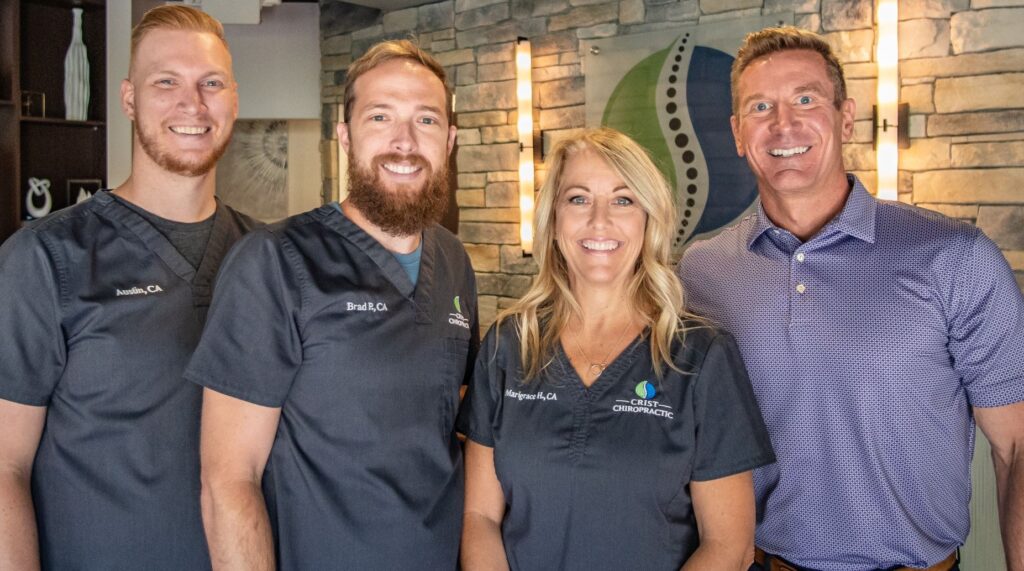
Dr. Jason Crist founded Crist Chiropractic in Franklin, Tennessee, with a vision to provide health and healing naturally. His personal journey of avoiding surgery ignited his passion for non-invasive care, earning him "Chiropractor of the Year" for his holistic approach.

Recommended for You

Neighbors Name Crist Chiropractic a Nextdoor Neighborhood Favorite for the Third Time
We’re happy to share some good news from our neighbors. Crist Chiropractic has been named a Nextdoor Neighborhood Favorite for 2025. This follows earlier wins in 2024 and 2022. The recognition comes from people who live in Franklin, Cool Springs, Brentwood, and the surrounding Williamson County communities — the same neighbors who recommend us to…
Read More
ARE YOU A CANDIDATE FOR SPINAL DECOMPRESSION?
Continuous back pain can make the simplest of tasks – or even just trying to live your regular day-to-day life – completely unbearable. So naturally, when you start suffering from back pain, your first thought will be to go to a chiropractor to see what they suggest. In many cases, they may recommend spinal decompression…
Read More
Effective Fibromyalgia Chiropractic Treatment Techniques for Lasting Relief
Discover how targeted chiropractic care may relieve fibromyalgia symptoms, reduce pain, and improve daily function and quality of life.
Read More