


Ever rolled your head around after a long day and heard your neck crunch and crack like a bowl of cereal? You’re definitely not alone. Many patients come to us wondering, “why does my neck crunch when I roll my head?” At Crist Chiropractic, we’ve seen this concern countless times.
Neck crunching, known medically as crepitus, can be unsettling, especially when it happens frequently or loudly. Although often harmless, persistent crunching sounds can sometimes indicate underlying issues related to spinal alignment, joint health, or muscular tension. Understanding the causes behind these sounds is crucial to determining whether your symptoms are simply a result of everyday joint movements or a sign of something more serious.
In this article, we’ll dive deeper into why your neck might be making these noises, discuss common contributing factors, outline symptoms that warrant further attention, and explore practical strategies and treatments that can help you maintain a healthy neck and spine. Let’s explore why it happens, when it’s harmless, and when it’s time to get checked.
Is It Normal If My Neck Always Cracks When I Roll It?
You’re probably curious why your neck seems to crack or crunch every single time you move it.
Occasional vs. Frequent Cracking
- Occasional cracking: Usually normal, caused by harmless gas bubbles popping in joint fluid.
- Frequent cracking: Could signal deeper issues like joint misalignments or degenerative changes.
Occasional cracking typically poses no risk and doesn’t require intervention. However, consistent or painful neck cracking suggests you should seek professional evaluation to rule out underlying conditions.
Factors That May Contribute to Frequent Cracking
Understanding why frequent cracking occurs involves examining several interconnected factors related to lifestyle, physical activity, and overall spinal health. Addressing these factors can often help reduce or eliminate persistent neck crunching and improve comfort and mobility.
- Misalignments: Improperly aligned vertebrae affecting joint motion and causing uneven pressure on the neck.
- Muscle imbalances: Tight or weak muscles altering normal neck movement, potentially creating tension and discomfort.
- Repetitive stress: Habits like poor posture (tech neck), extensive computer use, or incorrect sleeping positions leading to chronic tension.
- Age and wear: Natural degeneration causing cartilage thinning, making joints more likely to produce noises during movement.
- Previous injuries: Past trauma such as whiplash affecting joint stability and alignment, increasing the likelihood of crunching noises.
Symptoms & What to Watch Out For
Be mindful if crunching occurs alongside:
- Pain or stiffness
- Limited range of motion
- Headaches
- Dizziness
- Numbness or tingling in arms or hands
- Difficulty focusing or concentrating
These symptoms suggest you should get evaluated to ensure there is no serious underlying condition such as nerve compression or joint damage.
What Causes Neck Crunching Sounds?
So what’s actually happening inside your neck when you hear that crunching or grinding sound? There are a few common causes -and most of them aren’t as alarming as they might seem.
Crepitus – The Medical Term for Joint Noises
Crepitus describes the crackling, grinding, or popping sounds joints sometimes make. It typically occurs as joint surfaces move against each other or when cartilage surfaces become rough due to wear and tear. Joint surfaces can become uneven or roughened, causing friction when they glide against each other during normal neck movements, making audible sounds.
Gas Bubbles in Synovial Fluid
- Cavitation: Pressure changes in joints cause gas bubbles in your synovial fluid to collapse, creating that popping noise. Think of it like cracking your knuckles – harmless and temporary. This type of noise typically does not indicate any damage or dysfunction but simply a normal physiological process.
Ligament or Tendon Movement
Ligaments or tendons can snap or slide over bones when moving. Often harmless, repeated snapping can indicate underlying tension, inflammation, or postural issues that need addressing. Tight or inflamed soft tissues around the neck can produce these snapping or popping sounds, particularly if repetitive or habitual movements place consistent stress on these tissues.
Joint Degeneration or Arthritis
- Cervical spondylosis: Arthritis-related degeneration leads to cartilage breakdown, causing rough bone surfaces to rub and create crunching or grinding noises, often accompanied by discomfort or stiffness. This degeneration is common with age but can be managed effectively with proper care.
Poor Posture and Tech Neck
Constantly leaning forward, especially when using devices, strains your neck muscles and spine, exacerbating crunching sounds and joint discomfort. “Tech neck” creates significant stress on your cervical spine, increasing muscle tension, misalignment, and eventually causing more frequent crunching sounds due to restricted movement and poor alignment.
Muscle Tightness and Tension
Chronically tight muscles can restrict normal joint motion, causing increased friction and contributing to frequent crunching. Muscle imbalances or sustained tension from stress or poor posture can worsen joint function, leading to more frequent and noticeable crunching.
Diagnosing Neck Noises: When to Seek Medical Attention
If crunching is accompanied by discomfort or other symptoms, professional assessment is essential. Early diagnosis can help prevent further complications and provide effective relief.
Chiropractic Evaluation
At Crist Chiropractic, our thorough evaluation involves:
- Detailed posture analysis: We identify alignment issues contributing to your symptoms.
- Range-of-motion (ROM) tests: These determine your neck’s flexibility and pinpoint movement restrictions.
- Muscle tension assessments: We identify areas of muscle tightness or imbalance affecting spinal alignment.
- Neurological tests: We evaluate nerve function to rule out issues like nerve compression or irritation.
- Palpation: Hands-on examination helps detect specific points of tension, misalignment, or inflammation.
Imaging if Necessary
Sometimes, we recommend imaging studies such as X-rays or MRI scans. These are particularly useful if you experience persistent pain, swelling, previous trauma, or neurological symptoms like numbness or tingling. Imaging helps visualize internal structures clearly, pinpointing the exact cause of your symptoms and guiding precise treatment planning.
Link Between Arthritis and Neck Crunching
Understanding the link between arthritis and neck crunching can be key to managing symptoms early.
Arthritis, particularly cervical arthritis or spondylosis, often plays a significant role in neck crunching sounds. As we age, the cartilage cushioning the joints between our vertebrae gradually wears down, leading to increased friction and noise. This deterioration of cartilage results in rough, uneven joint surfaces, making movements audible and sometimes uncomfortable. Recognizing this connection early can facilitate proactive treatment strategies to minimize symptoms and slow down the progression of joint damage.
Early detection and proactive management can significantly reduce the discomfort and limitations associated with cervical arthritis. By addressing symptoms early, you can maintain better joint function, enhance your quality of life, and prevent complications such as nerve compression or chronic pain. Lifestyle modifications, combined with professional chiropractic interventions, form an effective approach to managing arthritis-related neck crunching.
Cervical Spondylosis
With cervical arthritis, joints lose cartilage and become rough. This degeneration often leads to:
- Increased crunching or grinding sounds
- Stiffness and reduced range of motion
- Chronic neck pain and discomfort
- Possible nerve compression causing neurological symptoms
Managing Arthritis Symptoms
- Chiropractic care: Adjustments to maintain or restore mobility, reduce pain, and improve quality of life.
- At-home management: Heat and cold therapy, gentle exercises, ergonomic adjustments, and anti-inflammatory diets.
Treatment Options: When to Seek a Chiropractor?
If your neck crunching is persistent or painful, chiropractic care offers effective relief and correction.
Chiropractic Adjustments
- Gentle spinal manipulations to restore alignment
- Soft tissue therapies like massage or trigger point therapy to relieve muscle tension
- Guidance on posture, ergonomics, and lifestyle modifications
- Exercises and stretches to enhance flexibility and reduce recurrence
Physical Therapy
- Exercises to enhance mobility, strength, and posture
- Specific routines targeting muscular balance and coordination
- Posture correction strategies to reduce stress on the neck
- Stretching techniques to maintain joint flexibility
Medications & Inflammation Control
- Short-term use of anti-inflammatories or corticosteroids for severe cases
- Chiropractic approaches prioritize long-term correction, joint health, and reducing reliance on medication
Daily Preventative Measures to Reduce Neck Crunching
Simple daily habits can significantly reduce neck crunching and maintain joint health.
Lifestyle Modifications
- Maintain good posture throughout the day
- Adjust sleep positions for optimal alignment
- Regular stress-relief practices to reduce muscle tension
- Gentle self-care techniques like warm compresses or ice packs for immediate relief
- Regular breaks from screen time to prevent tech neck
Chiropractor-Recommended Stretches and Movements
Incorporate these into your daily routine:
- Chin tucks: Strengthen deep neck flexors
- Neck rotations: Improve neck mobility
- Shoulder blade squeezes: Enhance posture and reduce strain
- Ergonomic adjustments: Proper workspace setup
- Stay active: Regular movement lubricates joints and prevents stiffness
- Hydrate well: Supports healthy joint fluid
What’s the Bottom Line?
Most neck crunching is normal and harmless, especially without pain. But if cracking or crunching is persistent and comes with other symptoms, don’t wait to get checked out.
Concerned About Your Neck?
At Crist Chiropractic, we specialize in identifying and treating neck-related discomfort and dysfunction. We’ll ensure you understand your symptoms and offer personalized, natural solutions to enhance your health.
Ready to feel better? Schedule your evaluation at Crist Chiropractic today.
FAQs
Why does my neck crunch when I turn my head?
Neck crunching often results from gas bubbles popping in the joint fluid or tendons sliding over bone. Persistent crunching can indicate joint degeneration or misalignment.
Should your neck crunch when you roll it?
Occasional crunching is typically harmless. Frequent or painful crunching may require evaluation to rule out underlying conditions.
How do you fix a crunchy neck?
Regular stretching, good posture, chiropractic adjustments, and targeted exercises help manage and reduce neck crunching effectively.
Dr. Jason Crist founded Crist Chiropractic in Franklin, Tennessee, with a vision to provide health and healing naturally. His personal journey of avoiding surgery ignited his passion for non-invasive care, earning him "Chiropractor of the Year" for his holistic approach.


Recommended for You

ARE YOU A CANDIDATE FOR SPINAL DECOMPRESSION?
Continuous back pain can make the simplest of tasks – or even just trying to live your regular day-to-day life – completely unbearable. So naturally, when you start suffering from back pain, your first thought will be to go to a chiropractor to see what they suggest. In many cases, they may recommend spinal decompression…
Read More
Effective Fibromyalgia Chiropractic Treatment Techniques for Lasting Relief
Discover how targeted chiropractic care may relieve fibromyalgia symptoms, reduce pain, and improve daily function and quality of life.
Read More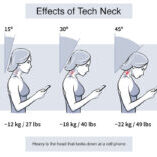
Tech Neck: The Modern Malady and How Chiropractic Care Can Help
Prevent and relieve tech neck with better posture, ergonomic habits, targeted exercises, and chiropractic care for lasting neck health.
Read More