



| Yes, chiropractors effectively treat tennis elbow through elbow and spinal adjustments to restore joint mechanics, advanced soft tissue therapy (Active Release Technique, Graston) to break up scar tissue, corrective exercises to strengthen forearm muscles, and ergonomic modifications to prevent recurrence. Most patients experience 60-75% improvement within 6-8 weeks while avoiding surgery and cortisone injections. |
Introduction
Tennis elbow can be one of the most frustrating overuse injuries. It starts as a mild ache on the outside of the elbow, then quietly progresses until simple tasks like lifting a coffee mug, shaking hands, or using a computer mouse become painful.
Many people rest, ice, brace the elbow, or push through the discomfort, hoping it will resolve on its own. Often it does not.
The problem is that tennis elbow is rarely just an elbow issue. It is typically the result of faulty mechanics throughout the wrist, forearm, shoulder, and even the neck.
When those systems are not working together properly, stress concentrates at the tendon attachment on the outside of the elbow. Over time, the tendon weakens, scar tissue builds up, and pain becomes persistent.
Chiropractic care offers a non-surgical, drug-free solution that addresses the root cause of tennis elbow rather than simply masking symptoms.
By restoring joint motion, improving nerve function, breaking down scar tissue, and rebuilding strength, chiropractic care helps the elbow heal correctly.
This guide explains:
- What tennis elbow is and why it develops
- How chiropractic care treats tennis elbow effectively
- The specific techniques chiropractors use
- Expected timelines and success rates
- How chiropractic compares to injections and surgery
- Proven prevention strategies
- When to seek professional care
- Complete FAQ answering your questions
“Tennis elbow isn’t just an elbow problem. It’s often the result of poor mechanics throughout the arm, shoulder, and even the spine. When we address cervical spine alignment, release scar tissue in the forearm, and correct movement patterns, stubborn elbow pain that would not respond to rest often improves dramatically.”
– Dr. Jason Crist
Understanding Tennis Elbow

What Is Tennis Elbow?
Tennis elbow, medically known as lateral epicondylitis, is a condition caused by overuse of the forearm muscles that extend the wrist and fingers. These muscles attach to a bony prominence on the outside of the elbow called the lateral epicondyle.
The primary muscle involved is the extensor carpi radialis brevis, which helps stabilize the wrist during gripping activities.
Repetitive stress leads to microscopic tears where the tendon attaches to bone. Instead of healing normally, the tissue becomes degenerative and weak.
Common Symptoms
- Pain on the outside of the elbow
- Weak grip strength
- Pain when lifting, gripping, or twisting
- Discomfort when turning doorknobs or shaking hands
- Morning stiffness in the elbow
- Pain radiating into the forearm
- Gradual onset over weeks or months
How Tennis Elbow Develops
- Repetitive strain and overuse
- Microscopic tendon tears
- Scar tissue formation
- Reduced blood flow to the tendon
- Ongoing pain and weakness
Who Gets Tennis Elbow?

Tennis elbow affects far more than athletes.
High-risk occupations include:
- Plumbers, electricians, carpenters
- Painters and construction workers
- Computer and desk workers
- Mechanics and assembly line workers
- Dentists and hygienists
- Cooks and food prep workers
Common activities that trigger it:
- Prolonged computer mouse use
- Repetitive lifting with poor form
- Gardening and yard work
- Painting or using hand tools
- Tennis, golf, weightlifting
- Playing musical instruments
Risk factors:
- Most common between ages 30 and 50
- Men and women affected equally
- Previous shoulder or neck injuries
- Poor posture and ergonomics
- Inadequate recovery time
Tennis Elbow Severity Stages
| Stage | Duration | Symptoms | Functional Impact | Chiropractic Success Rate |
| Early | 2-6 weeks | Pain after activity | Minimal | 80-90% |
| Moderate | 6 weeks-3 months | Pain during and after use | Daily tasks affected | 70-80% |
| Chronic | 3-12 months | Constant pain | Major limitations | 60-70% |
| Severe | 12+ months | Pain at rest | Significant disability | 50-60% |
“The biggest mistake people make is ignoring tennis elbow early. Early intervention has extremely high success rates. Chronic cases that linger for a year or more are much harder to resolve.”
– Dr. Jason Crist
Can a Chiropractor Help Tennis Elbow?
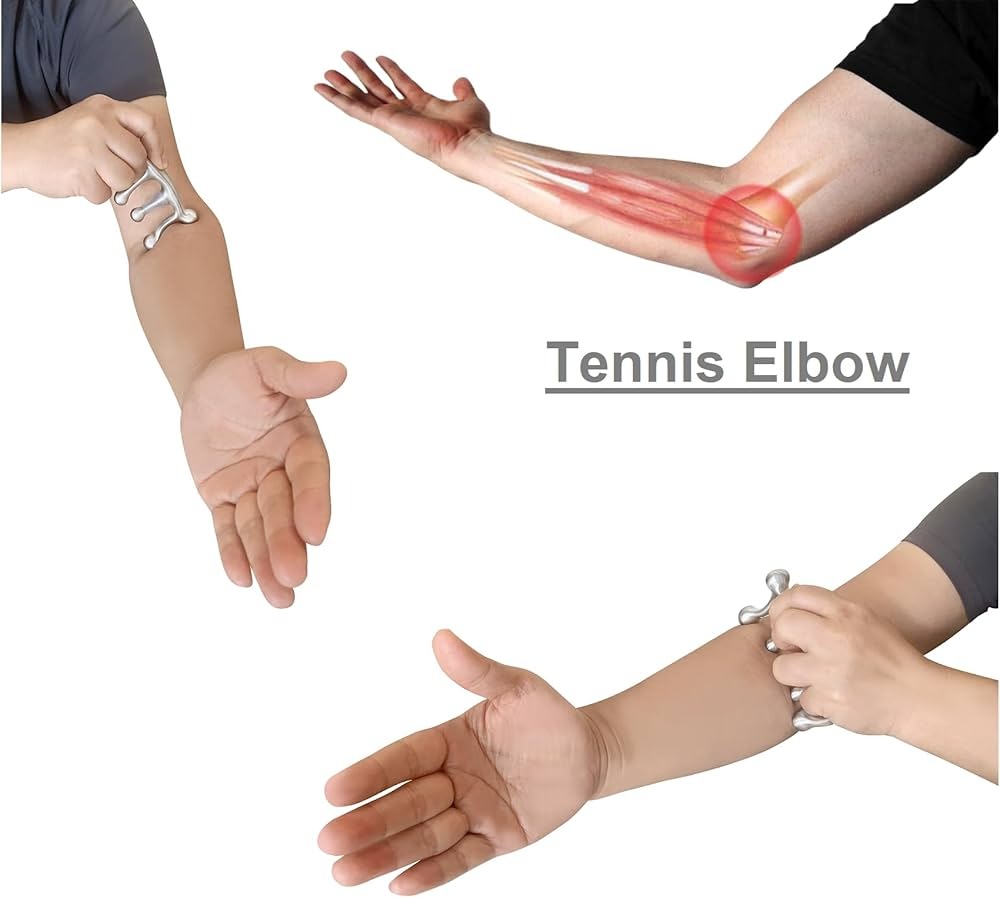
Yes. Chiropractic care is highly effective for tennis elbow, especially when addressed early. Success rates range from 60-75% overall and up to 90%in early-stage cases.
How Chiropractors Treat Tennis Elbow
The Four-Component Chiropractic Approach
Joint Adjustments and Mobilization

Elbow adjustments
- Restore normal joint motion
- Reduce mechanical stress on tendons
- Improve circulation and healing
Wrist adjustments
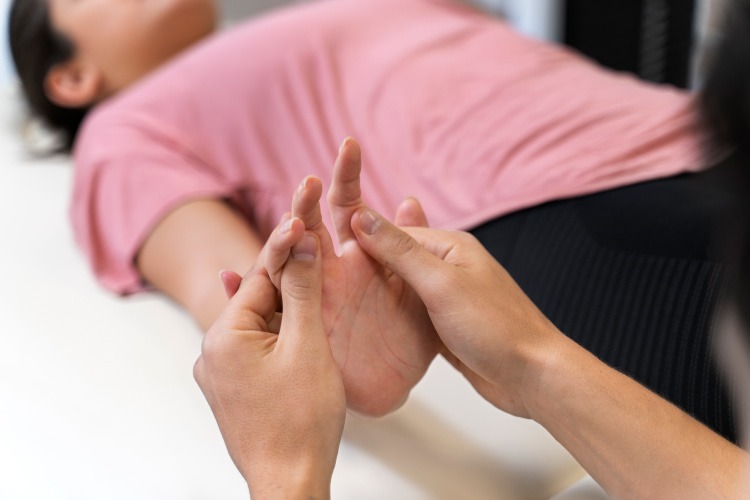
Correct faulty wrist mechanics
- Reduce strain transferred to the elbow
Cervical and thoracic spine adjustments
- Improve nerve signals to arm muscles
- Normalize shoulder and elbow coordination
Tennis elbow rarely exists in isolation. Neck and shoulder dysfunction often drive elbow overload.
Advanced Soft Tissue Therapy

Tennis elbow isn’t just a joint problem; it’s a soft tissue problem. Scar tissue and adhesions trap the healing cycle, which is why rest alone rarely works. Advanced soft tissue techniques actively break down damaged tissue and restore function.
| Technique | How It Works | What You’ll Feel | Why It’s Effective |
| Active Release Technique (ART) | Chiropractor applies precise tension while you move elbow, breaking up adhesions | Deep pressure that releases as you move – “good pain” with immediate results | Breaks scar tissue, restores flexibility, improves grip strength instantly |
| Graston Technique (Instrument-Assisted) | Stainless steel instruments detect and treat scar tissue through controlled strokes | Firm scraping, 5-7/10 discomfort, temporary redness is normal | Stimulates healing response, breaks chronic adhesions, increases blood flow |
| Myofascial Release | Sustained pressure (60-90 seconds) releases tight fascia surrounding muscles | Deep sustained pressure, therapeutic discomfort | Addresses full arm compensation patterns, improves circulation |
Why this matters: Scar tissue doesn’t resolve with rest; it requires hands-on treatment. Most patients receive soft tissue therapy at every visit during active treatment (weeks 3-8).
Combined with adjustments and exercises, these techniques transform stubborn elbow pain into a condition that actually responds to treatment.
Corrective Exercises and Rehabilitation

- Eccentric wrist strengthening
- Progressive grip strengthening
- Forearm and wrist stretching
- Sport and work-specific retraining
Ergonomic and Activity Modifications

- Mouse and keyboard positioning
- Tool modifications
- Tennis racket grip correction
- Lifting and training technique changes
Chiropractic Treatment Components
| Treatment | Goal | Frequency | Timeline | Success Rate |
| Elbow and wrist adjustments | Restore mechanics | 2-3x weekly | 4-8 weeks | 70-80% |
| Soft tissue therapy | Break up scar tissue | Every visit | 6-10 weeks | 75-85% |
| Corrective exercises | Strength and prevention | Daily | 8-12 weeks | 80-90% |
| Ergonomic changes | Reduce strain | Ongoing | Immediate | Preventive |
Struggling with persistent tennis elbow pain? Schedule an evaluation to identify the root cause and build a personalized plan.
📞 (615) 771-0022 🌐 Book Online Today
What to Expect From Treatment
Initial Evaluation
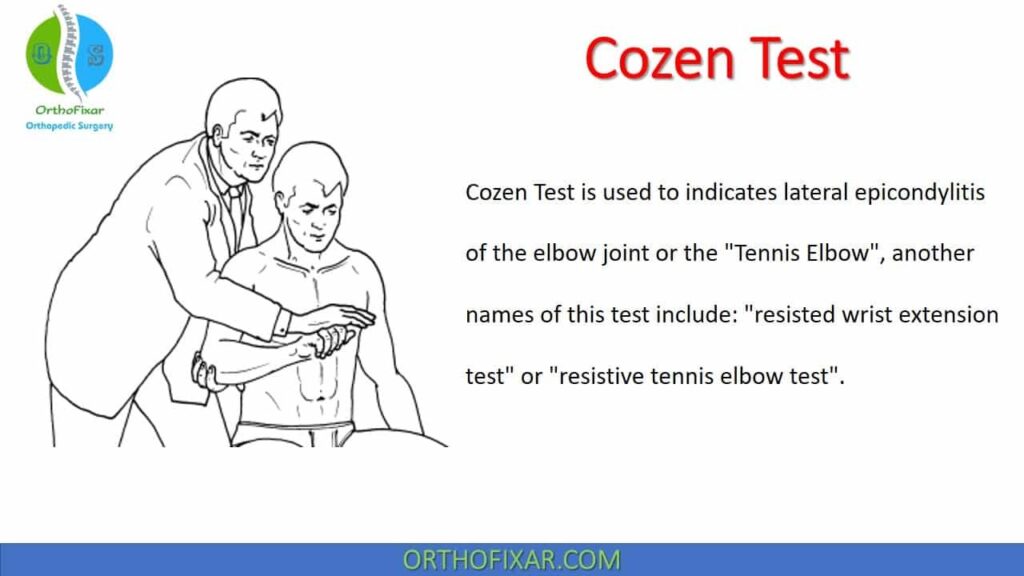
Your first visit includes:
- Detailed history
- Grip strength testing
- Range of motion evaluation
- Orthopedic tests
- Cervical spine assessment
- Posture and ergonomic review
Treatment Timeline
| Phase | Duration | Frequency | Focus | Expected Improvement |
| Phase 1 | Weeks 1-2 | 3 visits weekly | Pain control | 20-30% |
| Phase 2 | Weeks 3-6 | 2 visits weekly | Tissue repair | 50-60% |
| Phase 3 | Weeks 7-10 | 1 visit weekly | Strength | 70-80% |
| Phase 4 | Ongoing | As needed | Prevention | Long-term relief |
Realistic Expectations
What chiropractic can do
- Reduce pain significantly
- Restore grip strength
- Avoid injections and surgery
- Correct root causes
What it cannot do
- Provide instant results
- Replace exercise compliance
- Reverse complete tendon rupture
“Tennis elbow responds beautifully when patients address why it developed. Treatment breaks up scar tissue, but lasting relief requires correcting daily habits and mechanics.”
– Dr. Jason Crist
Real Patient Results
Patient: Michael R., 42, Franklin
Background: Six months of worsening elbow pain, programmer and tennis player
Results:
- Week 2: 25% improvement
- Week 4: 50% improvement
- Week 8: Returned to tennis
- Week 10: 85% resolution
Want to avoid cortisone injections and surgery? 70-80% of our tennis elbow patients do with comprehensive chiropractic care.
📞 (615) 771-0022 🌐 Schedule Your First Appointment Today
📍 Franklin, Cool Springs & Brentwood, TN
Chiropractic vs Other Treatments
| Treatment | Success Rate | Pros | Cons |
| Chiropractic care | 60-75% | Treats root cause | Requires time |
| Cortisone injections | 50-60% short term | Fast relief | Weakens tendon |
| Physical therapy | 50-70% | Strength focus | Limited mechanics |
| Surgery | 80-90% | Severe cases | Invasive |
“Cortisone reduces inflammation but does not fix the problem. Chiropractic care corrects mechanics and tissue health for lasting results.”
– Dr. Jason Crist
Preventing Tennis Elbow
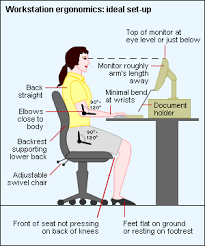
- Use ergonomic tools
- Take frequent breaks
- Maintain forearm strength
- Warm up before activity
- Address pain early
Tennis Elbow Treatment at Crist Chiropractic
At Crist Chiropractic, we specialize in non-surgical care for repetitive strain injuries.
- Advanced soft tissue techniques
- Sport and work-specific rehab
- 25+ years of experience
- Serving Franklin, Cool Springs, and Brentwood
Quick Self Assessment
Do you have:
- Pain on the outside of the elbow
- Weak grip strength
- Pain with lifting or twisting
- Morning stiffness
- Gradual onset
Five or more yes answers suggest tennis elbow.
Conclusion
Tennis elbow does not need to become a chronic condition. Chiropractic care provides an effective, evidence-based alternative to injections and surgery by addressing joint mechanics, tissue health, and functional strength.
Early care leads to faster recovery and better long-term outcomes.
Ready to eliminate tennis elbow pain without injections or surgery? Get expert evaluation and treatment addressing root causes—not just masking pain.
📞 (615) 771-0022 🌐 Book Online
Crist Chiropractic
Franklin, Cool Springs & Brentwood, TN Tennessee Chiropractor of the Year
25+ Years Treating Tennis Elbow
⭐ 480+ five-star reviews
Frequently Asked Questions About Chiropractic Treatment for Tennis Elbow
Understanding Effectiveness
Can a chiropractor help with tennis elbow?
Yes, chiropractors effectively treat tennis elbow with 60-75% overall success rates and 80-90% for early-stage cases.
Treatment includes elbow and wrist joint adjustments to restore proper mechanics, advanced soft tissue therapy (Active Release Technique, Graston) to break up scar tissue that rest cannot resolve, cervical and thoracic spine adjustments to improve nerve function and shoulder coordination, and progressive corrective exercises to strengthen forearm muscles and prevent recurrence.
How does a chiropractor treat tennis elbow differently than other treatments?
Chiropractors address both joint mechanics AND soft tissue simultaneously—something physical therapy (exercise only) and cortisone (inflammation only) don’t do.
Treatment targets elbow/wrist joint restrictions limiting healing, cervical spine dysfunction affecting arm coordination (often missed by PT), advanced scar tissue techniques (Graston, ART) more effective than standard massage, and ergonomic assessment addressing why it developed.
This comprehensive approach produces 60-75% success rates vs 50-70% for PT alone and 50-60% for cortisone short-term relief.
Can a chiropractor help tennis elbow better than other treatments?
Chiropractic offers unique advantages by addressing both joint mechanics AND soft tissue simultaneously, which physical therapy (exercise focus only) and cortisone injections (temporary inflammation reduction) don’t comprehensively address.
Success rate comparison:
- Chiropractic 60-75% lasting improvement,
- PT 50-70% (doesn’t address spine/joint mechanics),
- Cortisone 50-60% short-term relief (wears off in 3-6 months, weakens tendons).
Chiropractic advantages include cervical spine evaluation (PT typically misses), advanced scar tissue breakdown techniques, joint adjustments restoring mechanics that exercise alone cannot fix, and no injection risks or tendon weakening.
Can chiropractic help chronic tennis elbow that won’t go away?
Yes, though chronic cases (6-12+ months) have lower success rates: 50-60% vs 80-90% for early cases.
Chronic tennis elbow is harder because scar tissue is more established, tendon has undergone degenerative changes, compensatory patterns are deeply ingrained, and previous failed treatments create discouragement.
However, chiropractic often helps when comprehensive approach includes aggressive soft tissue work (Graston, ART) to break down old scar tissue, cervical spine evaluation often missed in failed treatments, longer timeline (12-16 weeks vs 6-8 weeks), and ergonomic modifications finally implemented properly.
Treatment Process
How long does chiropractic treatment take for tennis elbow?
Most tennis elbow patients require 6-10 weeks of treatment.
Timeline:
Weeks 1-2 (6 visits at 3× weekly): Pain control phase, expect 20-30% reduction;
Weeks 3-6 (8 visits at 2× weekly): Active tissue repair, expect 50-60% improvement;
Weeks 7-10 (4 visits at 1× weekly): Strengthening and return to activities, expect 70-80% improvement.
Total: 18-22 visits over 6-10 weeks.
Early-stage cases (under 3 months) often improve faster (6-8 weeks), while chronic cases (6-12+ months) may need 10-16 weeks.
What happens during a chiropractic session for tennis elbow?
Each 25-30 minute session includes:
(1) Progress check (5 min): grip strength testing, pain scale, functional improvements;
(2) Joint adjustments (10 min): elbow mobilization to restore mechanics, wrist adjustments for forearm function, cervical/thoracic spine adjustments for nerve signals;
(3) Soft tissue therapy (10 min): Active Release Technique to break up scar tissue, Graston (instrument-assisted) for chronic adhesions, myofascial release for flexibility;
(4) Exercise coaching (5 min): Form review for eccentric exercises, progression modifications. Treatment should cause some discomfort during tissue work but not extreme pain.
Is chiropractic treatment painful for tennis elbow?
Joint adjustments (elbow, wrist, spine) are generally painless; you may hear popping but feel immediate relief.
Soft tissue therapy (particularly Graston and ART) can be temporarily uncomfortable when working on scar tissue, usually 4-6/10 discomfort during treatment (5-10 minutes).
Post-treatment soreness is common for 24-48 hours after first few sessions, similar to post-workout soreness. Home exercises should cause mild fatigue, not sharp pain.
If treatment causes severe pain or significantly worsens symptoms, inform your chiropractor immediately.
Comparisons
Should I try chiropractic or get a cortisone injection for tennis elbow?
Try chiropractic first for 6-8 weeks.
Cortisone limitations: only reduces inflammation temporarily (symptoms return in 3-6 months for most), doesn’t address scar tissue or joint dysfunction, weakens tendon tissue with repeated use (increases rupture risk), limited to 3-4 injections per year.
Chiropractic advantages: addresses root causes for lasting results (60-75% long-term success), breaks up scar tissue injections can’t, restores proper mechanics, strengthens tendons through exercises, no injection risks.
Recommended approach: Try chiropractic first. If inadequate after 6-8 weeks, cortisone can provide temporary relief while continuing rehab.
Is chiropractic better than physical therapy for tennis elbow?
Both can be effective with key differences.
Chiropractic advantages: addresses cervical spine affecting arm nerve function (PT typically doesn’t), joint adjustments restore elbow/wrist mechanics exercise alone cannot, advanced soft tissue techniques (Graston, ART certified), often faster initial improvement.
PT advantages: may have more intensive exercise equipment, specialized modalities, sometimes better insurance coverage.
Success rates: chiropractic 60-75%, PT 50-70%. Many succeed with chiropractic after PT failed because spinal component was missed.
At Crist Chiropractic, we provide comprehensive care, including exercises, making separate PT often unnecessary.
Specific Concerns
Will tennis elbow come back after chiropractic treatment?
Recurrence is possible if you return to poor mechanics or don’t maintain exercises, but proper prevention significantly reduces risk.
Recurrence rates: without maintenance: 30-40% within 1 year; with proper maintenance: 10-20%.
Prevention requires: continuing strengthening exercises 2-3x weekly, long-term, maintaining ergonomic modifications at work/home, correcting sports technique if applicable, and quarterly preventive chiropractic visits for high-risk occupations.
If symptoms return, early intervention (1-3 visits) usually resolves quickly vs starting over.
Think of maintenance like dental care; regular checkups prevent small problems from becoming big ones.
Can chiropractic help if I’ve already had a cortisone injection?
Absolutely. Many patients seek chiropractic after cortisone provided only temporary relief. How chiropractic helps post-injection:
- Wait 1-2 weeks after injection before starting treatment (allow inflammation to settle)
- Address root causes the injection didn’t fix—scar tissue, joint dysfunction, poor mechanics
- Strengthen tendons weakened by cortisone
- Prevent need for additional injections (limited to 3-4 per year)
Many come after 2-3 failed injections when an orthopedist recommends surgery, chiropractic can still help avoid surgery. Be honest about injection history, cortisone affects tissue healing and we’ll modify techniques accordingly.
Practical Questions
How much does treatment cost and does insurance cover it?
In Franklin, TN: Initial visits: $100-150. Follow-up visits: $60-100. Typical program: 18-22 visits = $1,200-2,400 total.
Insurance: Most plans cover chiropractic with $20-50 copays. We accept Medicare, most major insurers, and auto accident cases. We verify benefits and file claims for you.
View detailed pricing and insurance information
Ready to eliminate tennis elbow pain without injections or surgery?
📞 (615) 771-0022 🌐 Book OnlineCrist Chiropractic | Franklin, Cool Springs & Brentwood, TN
Tennessee Chiropractor of the Year | 25+ Years Treating Tennis Elbow
⭐ 480+ five-star reviews
Dr. Jason Crist founded Crist Chiropractic in Franklin, Tennessee, with a vision to provide health and healing naturally. His personal journey of avoiding surgery ignited his passion for non-invasive care, earning him "Chiropractor of the Year" for his holistic approach.

Recommended for You

Piriformis Syndrome Chiropractic Treatment: Techniques That Work
Yes, chiropractors effectively treat piriformis syndrome through targeted piriformis muscle release, precise SI joint and lumbar adjustments to correct biomechanical dysfunction, specific stretching protocols, and corrective exercises to restore muscle balance. Based on clinical outcomes at Crist Chiropractic, 75-85% of patients experience significant relief within 4-8 weeks when care is comprehensive. Piriformis syndrome is one of…
Read More
Can a Chiropractor Help with Muscle Spasms? Rapid Relief Explained
Yes. Chiropractors effectively treat muscle spasms by correcting spinal and joint restrictions that trigger protective muscle contractions, restoring normal nerve signaling, and calming involuntary muscle firing. Most patients experience 50-70% relief within the first week, with spasms often resolving completely in 2-4 weeks. Muscle spasms can strike without warning and stop you in your tracks. One…
Read More
Can a Chiropractor Help with Muscle Pain? Everything You Should Know
Yes, chiropractors effectively treat muscle pain by restoring proper joint motion and nerve function with spinal adjustments, releasing tight muscles and trigger points through advanced soft tissue therapy, and correcting muscle imbalances with targeted exercises. Research and clinical outcomes show 70-80% of patients experience significant relief within 4-6weeks of comprehensive care. Muscle pain has become an…
Read More