


Dr. Jason Crist
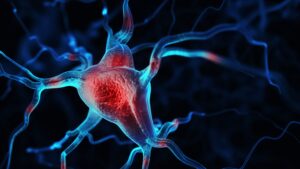
Yes, chiropractic treatment can help neuropathy by addressing nerve compression through spinal adjustments, spinal decompression therapy to reduce pressure, soft tissue techniques to improve circulation, and nutritional support for nerve health. While chiropractic care cannot reverse permanent nerve damage, it can reduce pain, tingling, and numbness in 60-70% of patients when nerve compression is a contributing…
Read More
Yes, chiropractors effectively treat shoulder impingement through spinal and shoulder adjustments that restore proper joint mechanics, soft tissue therapy to reduce inflammation and adhesions, and personalized corrective exercises that strengthen the rotator cuff. This holistic approach addresses posture, muscle imbalance, and spinal alignment. Most patients improve within 4–6 weeks. Introduction Shoulder impingement is one of the…
Read More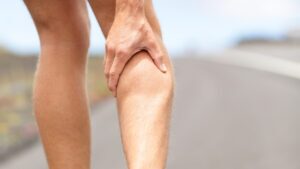
Calf pain while running typically stems from overuse, muscle imbalances, poor running form, or inadequate warm-up. Tight calves during running signal fatigue or biomechanical issues. Relief includes stretching both the gastrocnemius and soleus muscles, gradual training progression, strengthening exercises, proper hydration, appropriate footwear, and addressing alignment issues. Most runners improve within 2-4 weeks with consistent care.…
Read More
Paraspinal muscle exercises include bridges, bird dogs, supermans, cat-cow stretches, and dead bugs. These strengthen and stretch the erector spinae muscles running along your spine. For muscle spasms, use gentle stretching and ice/heat therapy. For atrophy, progressive resistance training 3-4 times weekly rebuilds strength. Most see improvement within 4-6 weeks. Introduction If you struggle with a…
Read More
Releasing trauma from hips requires addressing both physical tension and stored emotions. Effective methods include myofascial release, hip-opening stretches, chiropractic adjustments, somatic exercises, and therapeutic bodywork. The hips often store fear, anxiety, and unresolved stress. Consistent practice combined with professional treatment can release both physical tightness and emotional blockages within 4-8weeks. If your hips feel tight,…
Read More
Navigation: Turtle neck syndrome, also called forward head posture or text neck, occurs when the head extends forward beyond the shoulders. This shift increases strain on the neck and upper back, often leading to pain, stiffness, headaches, and reduced mobility. Common causes include poor posture during screen use, weak muscles, or spinal misalignment. Treatment includes chiropractic…
Read More
Chiropractor costs range from $30 to $200 per visit, depending on location, treatment type, and insurance coverage. Initial consultations cost $50 to $200, while standard adjustments average $60 to $100. With insurance, co-pays typically range from $10 to $50 per visit. In Franklin, TN, Crist Chiropractic offers transparent pricing and flexible payment options. If you are…
Read More
The best knee flexion exercises include heel slides, seated hamstring stretches, wall slides, and resistance band knee curls. These exercises target the hamstrings, calves, and quadriceps to improve knee bending ability. Perform 2-3 times daily with 10-15 repetitions each. Most people see improved knee flexion within 2-4 weeks of consistent practice, though results vary by individual…
Read More
Bursitis healing time varies by location and severity. Mild cases typically resolve in 2–4 weeks with proper rest and treatment, while moderate cases may take 2–3 months. Severe or chronic bursitis can last 6+ months. Knee and elbow bursitis often heal faster (2–4 weeks), while shoulder and hip bursitis may require 6 weeks to 6 months…
Read More
Leg extensions can safely strengthen knees when done correctly. Studies show 60-75% of patients with patellofemoral pain improve with proper quad strengthening. Start with bodyweight seated extensions, use 45-90° range, never lock the knee, and progress slowly. Avoid if you have acute injury, severe arthritis, or ACL instability. Introduction Knee pain is one of the most…
Read More